


Ornamental Trees for Sale Online in USA



Only items for my growing zone
Zone- ,
207 products
-


Pocomoke Dwarf Crape Myrtle Tree
Growing Zones 7 - 9Pocomoke Dwarf Crape Myrtle Tree- Regular price
-
From
$49.99 - Regular price
-
$159.99 - Sale price
-
From
$49.99
-


Jane Magnolia Tree
Growing Zones 4 - 8Jane Magnolia Tree- Regular price
-
From
$29.99 - Regular price
-
$59.99 - Sale price
-
From
$29.99
-


Fireglow Japanese Maple Tree
Growing Zones 5 - 8Fireglow Japanese Maple Tree- Regular price
-
From
$89.99 - Regular price
-
$349.99 - Sale price
-
From
$89.99
-


Ginkgo Tree
Growing Zones 8 - 11Ginkgo Tree- Regular price
-
From
$84.99 - Regular price
-
$114.27 - Sale price
-
From
$84.99
-


Little Gem Magnolia
Growing Zones 7 - 9Little Gem Magnolia- Regular price
-
From
$99.99 - Regular price
-
$359.99 - Sale price
-
From
$99.99
-


Ann Magnolia Tree
Growing Zones 4 - 8Ann Magnolia Tree- Regular price
-
From
$29.99 - Regular price
-
$49.99 - Sale price
-
From
$29.99
-

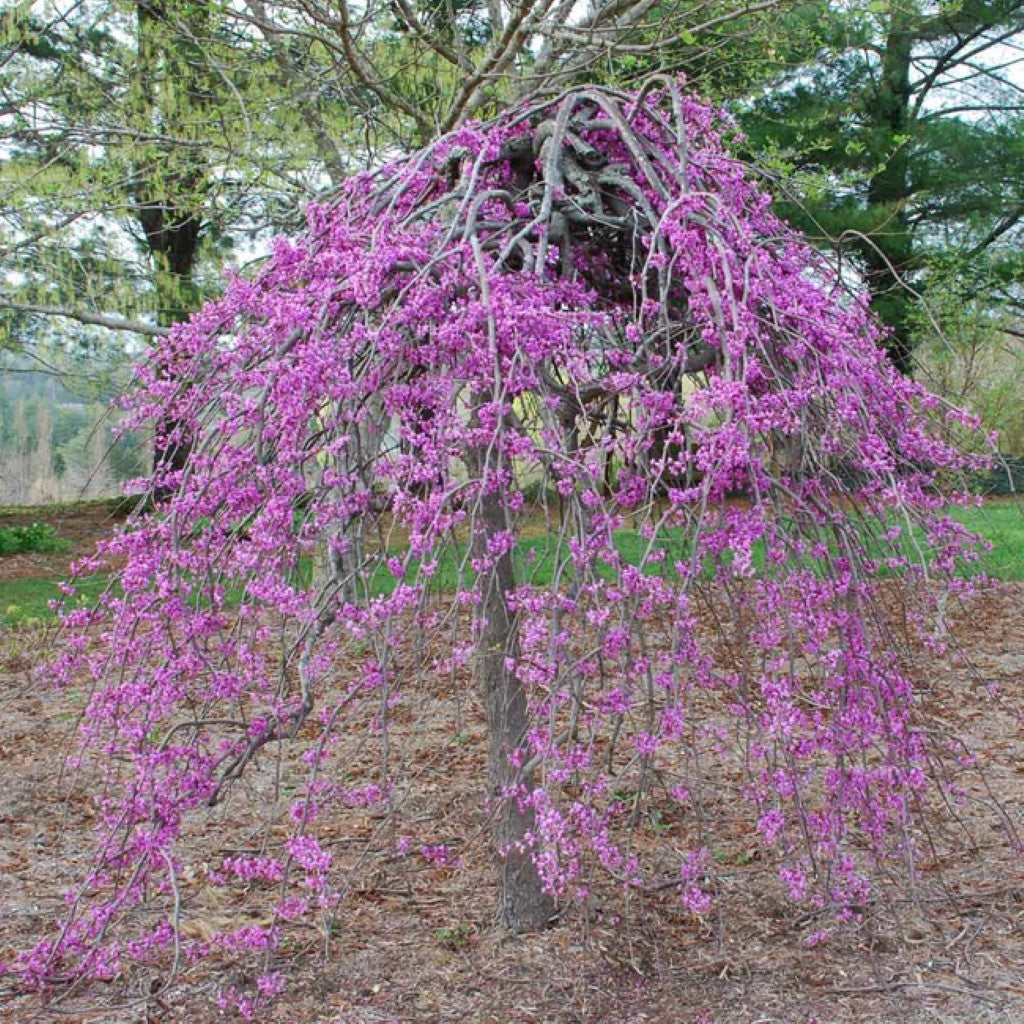
Lavender Twist Weeping Redbud Tree Plant
Growing Zones 5 - 9Lavender Twist Weeping Redbud Tree Plant- Regular price
-
$394.99 $1,189.99 - Regular price
-
$139.99 - Sale price
-
$394.99 $1,189.99
-


Banana Shrub Magnolia Tree
Growing Zones 7 - 10Banana Shrub Magnolia Tree- Regular price
-
From
$49.99 - Regular price
-
$119.99 - Sale price
-
From
$49.99


Frequently Asked Questions
What are ornamental trees?
Ornamental trees are trees grown primarily for their visual appeal rather than for fruit production or shade. They are valued for the flowers, foliage, shape, seasonal color, and overall decorative impact in landscapes.
What makes ornamental trees different from regular trees?
Ornamental trees are usually smaller in size and selected for aesthetic qualities such as blooms, a branching form, or an evergreen structure. In contrast, regular trees are often planted for shade, timber, or fruit.
Are ornamental trees suitable for home gardens?
Yes, ornamental trees are ideal for home gardens because many varieties are compact and designed for residential landscapes. These include front yards, patios, and small garden spaces.
What are the best ornamental trees for landscaping?
The best ornamental trees for landscaping depend on space and climate, but popular choices include ornamental cherry trees, flowering pear trees, ornamental plum trees, and ornamental evergreen trees.
Do ornamental flowering trees bloom every year?
Most ornamental flowering trees bloom annually once established, provided they receive proper sunlight, water, and seasonal care.
Are small ornamental trees good for limited spaces?
Small ornamental trees are excellent for limited spaces. They provide visual interest without overwhelming the landscape and are well-suited to urban gardens and compact yards.
How tall do ornamental trees typically grow?
Most ornamental trees grow between 8 and 25 feet tall, depending on the variety. Some small decorative trees remain compact throughout their lifespan.
What is a flowering pear tree used for?
A flowering pear tree is commonly used as a decorative landscape tree due to its spring blossoms, symmetrical growth habit, and seasonal color changes.
What makes an ornamental cherry tree popular?
Ornamental cherry trees are popular for their dramatic spring blooms, graceful branching, and ability to serve as focal points in gardens and landscapes.
What is special about a Japanese weeping cherry tree?
The Japanese weeping cherry tree is known for its cascading branches and soft floral display. This makes it a standout ornamental tree for visual elegance and garden design.
Are ornamental evergreen trees good for year-round appeal?
Yes, ornamental evergreen trees provide consistent color and structure throughout the year, making them valuable for winter interest and permanent landscape design.
Can ornamental trees be grown in containers?
Some small ornamental trees can be grown in large containers, especially during the early growth stages, though long-term planting in the ground is usually recommended.
Do ornamental trees require a lot of maintenance?
Most ornamental trees are low to moderate maintenance. Basic care includes watering during establishment, seasonal pruning, and monitoring soil conditions.
Are ornamental evergreen shrubs different from ornamental trees?
Yes, ornamental evergreen shrubs are typically shorter and fuller, while ornamental trees have defined trunks and leaves. Both are often used together in landscape design.
How do I choose the right ornamental tree for my garden?
Choosing the right ornamental tree depends on available space, sunlight exposure, soil type, climate zone, and the visual effect you want to achieve.
Do ornamental trees attract wildlife?
Many ornamental trees attract pollinators such as bees and butterflies, especially flowering varieties, while some also provide shelter for birds.
When is the best time to plant ornamental trees?
The best time to plant ornamental trees is usually in early spring or fall, when temperatures are moderate, and roots can establish before extreme weather.
Can ornamental trees improve my property value?
Yes, well-placed ornamental trees can enhance curb appeal and contribute to the overall aesthetic value of a property.
Are ornamental trees a good long-term landscape investment?
Ornamental trees are considered long-term landscape investments because they mature over time, providing increasing beauty, structure, and seasonal interest year after year.