


Only items for my growing zone
Zone- ,
8 products
-

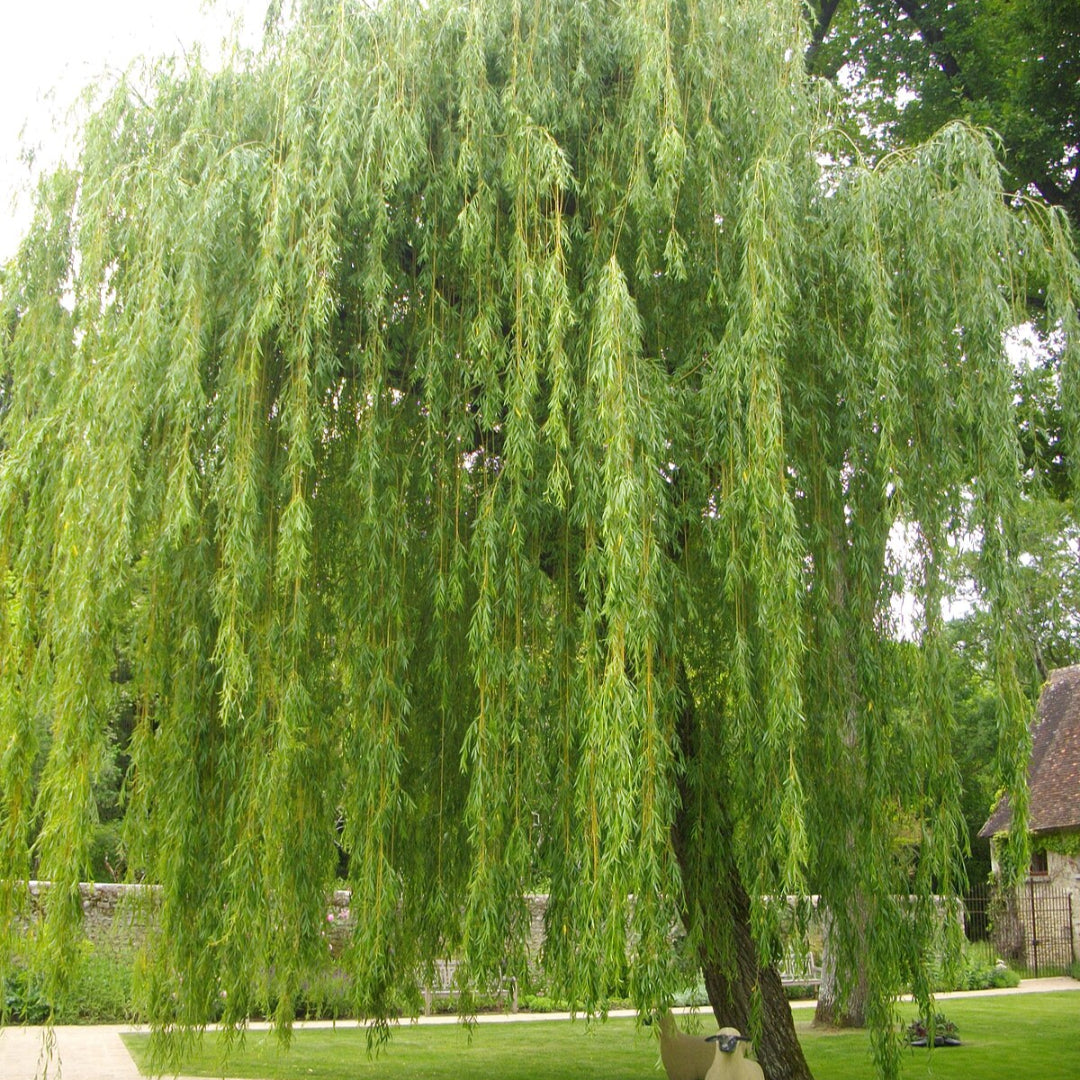
Weeping Willow Tree
Growing Zones 4 - 9Weeping Willow Tree- Regular price
-
From
$49.99 - Regular price
-
$99.99 - Sale price
-
From
$49.99
-


Hakuro-Nishiki Willow Tree
Growing Zones 4 - 8Hakuro-Nishiki Willow Tree- Regular price
-
From
$49.99 - Regular price
-
$59.99 - Sale price
-
From
$49.99
-


Corkscrew Willow Tree
Growing Zones 4 - 9Corkscrew Willow Tree- Regular price
-
From
$49.99 - Regular price
-
$59.99 - Sale price
-
From
$49.99
-


Flame Yellow Willow
Flame Yellow Willow- Regular price
-
From
$49.99 - Regular price
-
$99.99 - Sale price
-
From
$49.99
-


Scarlet Curly Willow Tree
Growing Zones 4 - 8Scarlet Curly Willow Tree- Regular price
-
From
$49.99 - Regular price
-
$159.99 - Sale price
-
From
$49.99
-


Black Pussy Willow Shrub
Growing Zones 4 - 7Black Pussy Willow Shrub- Regular price
-
From
$49.99 - Regular price
-
$59.99 - Sale price
-
From
$49.99
-


Twisted Willow
Growing Zones 4 - 8Twisted Willow- Regular price
-
$49.99 $169.99 - Regular price
-
- Sale price
-
$49.99 $169.99


Frequently Asked Questions
How fast do willow trees grow?
Willow trees are known for growing very quickly - many varieties can grow 3 to 8 feet per year once established.
Do willows need a lot of water?
Yes. Willows naturally prefer moist soil and grow best near water sources, but they can adapt to regular garden watering once established.
Can I plant a willow tree close to my house?
It’s not recommended. Willow roots spread widely and aggressively toward moisture, so they should be planted far from foundations, pipes, and septic systems.
What’s the difference between a weeping willow and other willow trees?
A weeping willow has long, drooping branches that hang gracefully, while other willows have upright, curly, or shrubby growth forms depending on the variety.
Are willow shrubs easier to maintain than full-size willow trees
Yes. Willow shrubs stay smaller, require less space, and don’t have the massive root spread of large willow trees, making them ideal for residential landscaping.
Do willow trees lose their leaves in winter?
Most willow trees and shrubs are deciduous, meaning they drop their leaves in fall and refoliate in spring.
Are willows good for wet or boggy areas?
Willows are one of the best plants for wet ground. They tolerate soggy soil and can help stabilize wet areas, pond edges, and drainage spots.
Can willows grow in dry conditions?
They prefer moisture. While established willows can survive short dry spells, consistent watering is essential for healthy growth in drier climates.
How big do willow shrubs get?
Willow shrubs vary widely - some stay 3–5 feet, while others reach 8–10 feet depending on the species.
When is the best time to prune a willow?
Late winter or early spring, before new growth starts. Heavy pruning during the growing season can stress the plant.
Are willow branches safe to use in home décor or floral arrangements?
Yes. Curly willow and other decorative stems are commonly used for crafts, arrangements, and indoor décor—they dry beautifully.
Do willows attract pests or diseases?
Willows can occasionally attract aphids, caterpillars, or fungal issues, especially in wet weather, but most problems can be managed with basic garden care.
How far apart should willow shrubs be planted?
For hedges or screens, plant shrubs 3–6 feet apart. For individual ornamental shrubs, allow more space for natural growth.
Will a willow survive winter in colder states?
Many willow varieties are cold-hardy and survive winters across a wide range of U.S. growing zones, but young plants may need light mulching for protection.
Can I grow a willow in a container?
Smaller willow shrubs can be grown in large containers, but fast-growing or tree-sized willows quickly outgrow pots and are better planted in the ground.