


Only items for my growing zone
Zone- ,
35 products
-


Sango Kaku Japanese Maple
Growing Zones 5 - 8Sango Kaku Japanese Maple- Regular price
-
From
$149.99 - Regular price
-
$349.99 - Sale price
-
From
$149.99
-


Fireglow Japanese Maple Tree
Growing Zones 5 - 8Fireglow Japanese Maple Tree- Regular price
-
From
$89.99 - Regular price
-
$349.99 - Sale price
-
From
$89.99
-


Inaba Shidare Japanese Maple
Growing Zones 5 - 9Inaba Shidare Japanese Maple- Regular price
-
From
$149.99 - Regular price
-
$349.99 - Sale price
-
From
$149.99
-


Tamukeyama Japanese Maple Tree
Growing Zones 5 - 8Tamukeyama Japanese Maple Tree- Regular price
-
From
$89.99 - Regular price
-
$349.99 - Sale price
-
From
$89.99
-


Purple Ghost Japanese Maple Tree
Growing Zones 5 - 8Purple Ghost Japanese Maple Tree- Regular price
-
From
$89.99 - Regular price
-
$199.99 - Sale price
-
From
$89.99
-

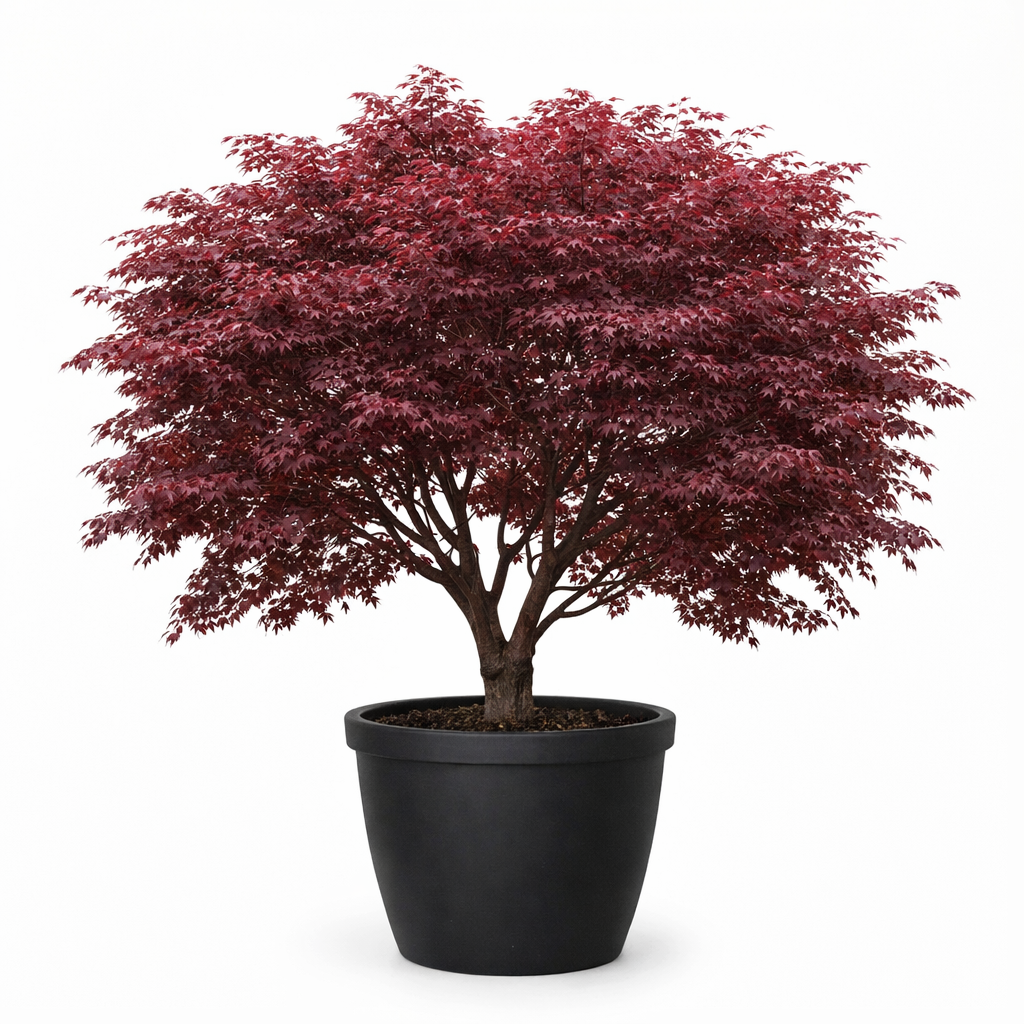
Bloodgood Japanese Maple Tree
Growing Zones 5 - 8Bloodgood Japanese Maple Tree- Regular price
-
From
$89.99 - Regular price
-
$199.99 - Sale price
-
From
$89.99
-


Glowing Embers Japanese Maple
Growing Zones 6 - 9Glowing Embers Japanese Maple- Regular price
-
From
$89.99 - Regular price
-
$199.99 - Sale price
-
From
$89.99
-


Katsura Japanese Maple
Growing Zones 5 - 9Katsura Japanese Maple- Regular price
-
From
$149.99 - Regular price
-
$349.99 - Sale price
-
From
$149.99


Frequently Asked Questions
What makes Japanese maple trees different from other ornamental trees?
Japanese maple trees are valued for their slow growth, refined branching, and dramatic seasonal foliage color. Unlike fast-growing shade trees, they are planted for structure, texture, and long-term ornamental appeal rather than canopy coverage.
How big does a Japanese maple tree typically grow?
Most Japanese maple trees grow between 10 and 25 feet tall, depending on the variety. Dwarf and weeping types remain much smaller, making them suitable for compact landscapes and residential gardens.
Are Japanese maple trees good for small yards?
Yes. Many Japanese maple tree varieties are specifically chosen for small yards because of their controlled size and non-invasive roots. They are commonly used near patios, walkways, and entryways without causing structural concerns.
Do Japanese maple trees lose their leaves?
Yes. Japanese maple trees are deciduous, meaning they shed leaves in winter. This is normal and allows the tree to conserve energy. Their elegant branching structure provides visual interest even when leafless.
What does a Japanese maple leaf look like
A Japanese maple leaf is typically palmate (hand-shaped) with 5–9 lobes. Some varieties have finely dissected, lace-like leaves, while others have broader, smoother leaf shapes, adding variety in texture and appearance.
How much sunlight does a Japanese maple tree need?
Most Japanese maple trees prefer partial sun. Morning sunlight with afternoon shade is ideal, especially in warmer U.S. regions, to prevent leaf scorch while maintaining vibrant foliage color.
Can Japanese maple trees grow in full sun?
Some varieties tolerate full sun in cooler climates, but intense afternoon sun can damage the Japanese maple leaf in hot regions. Proper placement is key to long-term health and color retention.
What type of soil is best for Japanese maple trees?
Japanese maple trees grow best in well-drained, slightly acidic soil. Poor drainage can lead to root issues, so avoiding heavy clay or waterlogged areas is essential for success.
Are Japanese maple trees low maintenance?
Yes. Once established, Japanese maple trees require minimal care. Occasional watering, light pruning, and proper placement are usually sufficient, making them suitable for both new and experienced gardeners.
How fast do Japanese maple trees grow?
Japanese maple trees grow slowly to moderately, typically adding 1–2 feet per year. This controlled growth helps maintain their shape and reduces the need for frequent pruning.
Can Japanese maple trees be grown in containers?
Yes. Many Japanese maple trees perform well in containers when given proper drainage and space. Container planting is popular for patios, decks, and urban gardens.
When is the best time to plant a Japanese maple tree?
The best time to plant Japanese maple trees is in early spring or fall. These seasons allow roots to establish before extreme heat or cold, improving long-term growth and survival.
Do Japanese maple trees attract wildlife?
Yes. Japanese maple trees can attract birds and beneficial insects, especially during warmer months, adding life and movement to the landscape without becoming invasive.
Why are Japanese maple trees more expensive than other trees?
Japanese maple trees are slower to grow and carefully cultivated for shape, color, and genetics. Their long lifespan, ornamental value, and specialized propagation contribute to their higher price point.