


Only items for my growing zone
Zone- ,
8 products
-


Russian 26 Pomegranate Tree – Cold Hardy Live Fruit Plant
Growing Zones 7 - 10Russian 26 Pomegranate Tree – Cold Hardy Live Fruit Plant- Regular price
-
From
$59.99 - Regular price
-
$159.99 - Sale price
-
From
$59.99
-


Salavatski Pomegranate Tree – Cold Hardy, Dwarf Variety for Home Growing
Growing Zones 6 - 10Salavatski Pomegranate Tree – Cold Hardy, Dwarf Variety for Home Growing- Regular price
-
From
$59.99 - Regular price
-
$159.99 - Sale price
-
From
$59.99
-

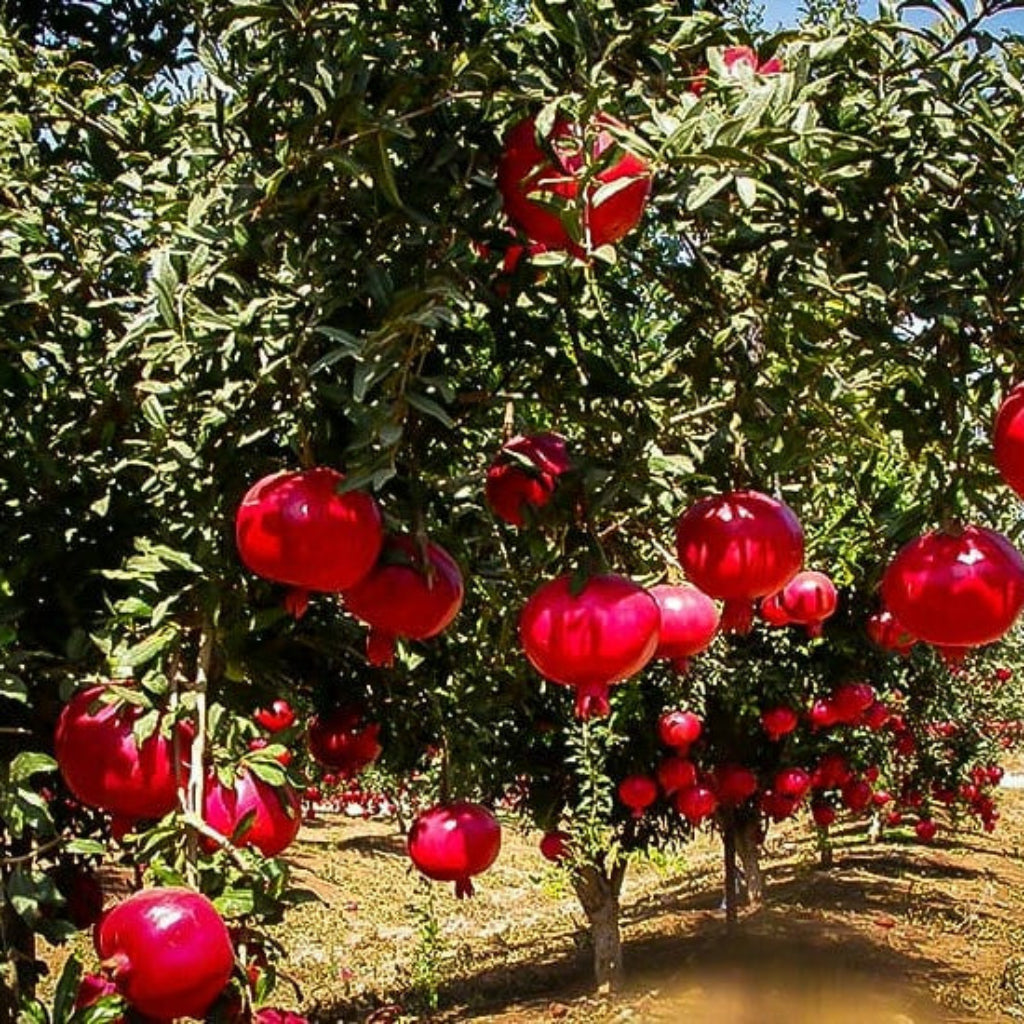
Wonderful Pomegranate Tree
Growing Zones 7 - 10Wonderful Pomegranate Tree- Regular price
-
From
$59.99 - Regular price
-
$159.99 - Sale price
-
From
$59.99
-


Surh-Anor Pomegranate – Cold Hardy Pomegranate
Growing Zones 6 - 10Surh-Anor Pomegranate – Cold Hardy Pomegranate- Regular price
-
From
$54.99 - Regular price
-
$149.99 - Sale price
-
From
$54.99
-


Pomegranate and Fig Variety Pack Combo – Grow Two Tasty Fruits Together
Growing Zones 7 - 10Pomegranate and Fig Variety Pack Combo – Grow Two Tasty Fruits Together- Regular price
-
From
$114.99 - Regular price
-
$164.27 - Sale price
-
From
$114.99
-


Bala Miursal Pomegranate Tree
Growing Zones 6 - 10Bala Miursal Pomegranate Tree- Regular price
-
From
$59.99 - Regular price
-
$159.99 - Sale price
-
From
$59.99
-


Nikitski Ranni Pomegranate Tree
Growing Zones 7 - 10Nikitski Ranni Pomegranate Tree- Regular price
-
From
$54.99 - Regular price
-
$149.99 - Sale price
-
From
$54.99


Frequently Asked Questions
How long does it realistically take for a pomegranate tree to start producing fruit?
A young pomegranate tree usually needs a couple of years before it begins to fruit, but this can vary depending on climate, sunlight, and variety. Most home gardeners notice their first small crop around year two or three, but full, heavy production often starts after the tree has matured for four to five years. The tree needs time to establish its roots and develop strong branching before it can support a full harvest.
Can pomegranate trees handle winter cold?
Pomegranates naturally prefer warm, dry climates, but many varieties can tolerate moderate winter cold. Mature trees can survive brief dips to about 10–15°F, though flowers and young fruit buds may still be damaged by late frost. In colder regions, gardeners often protect the base with mulch or grow compact varieties in pots so they can be moved indoors during freezing weather.
How much sunlight does a pomegranate plant need to fruit well?
Pomegranates need plenty of sunlight to flower and produce fruit. A location that receives at least six hours of direct sunlight daily is ideal. Without enough light, the tree may grow foliage but struggle to flower or develop fruit, and the fruit quality may be poor. Full sun also helps deepen fruit color and increase sweetness.
Why is my pomegranate tree growing but not producing fruit?
It’s common for young pomegranate plants to grow vigorously before they start fruiting. Lack of fruiting can also happen if the tree doesn’t receive enough sunlight, gets too much nitrogen fertilizer, or experiences irregular watering during the bloom period. Extreme heat or cold during flowering can also affect pollination. Usually, once the plant matures and conditions stabilize, fruiting improves naturally.
Is a pomegranate tree suitable for small yards or patios?
Yes, pomegranates are one of the best fruit trees for small spaces because they stay naturally compact compared to other fruit trees. Many people grow them in containers, where they remain manageable and still produce fruit. With regular pruning, even in-ground trees can be kept small enough for patios or narrow garden areas.
What kind of soil is best for growing pomegranates?
Pomegranate plants grow well in a variety of soils, from sandy to loamy, as long as the soil drains well. They do not tolerate standing water, which can lead to root issues. Adding organic matter improves soil structure, but overall, pomegranates are not picky and are considered one of the more adaptable fruit trees for home gardens.
How often should I water a pomegranate tree?
Young trees benefit from consistent watering during their first year so they can build strong roots. Once established, pomegranates become quite drought-tolerant, but during flowering and fruit development, deep, steady watering helps improve fruit size and prevents cracking. Overwatering, however, can lead to fungal issues, so a balanced approach is best.
Do I need more than one pomegranate tree for pollination?
No — pomegranate trees are self-fruitful, which means a single tree can produce fruit on its own. However, many gardeners notice better yields when two different varieties are planted nearby, because slight cross-pollination can increase fruit set and size, especially in challenging climates.
Why do pomegranate fruits crack or split before they ripen?
Fruit cracking usually happens when the tree receives inconsistent moisture - such as a long dry period followed by heavy watering or sudden rainfall. The inner fruit swells faster than the outer rind can stretch. Keeping soil moisture steady, especially during heat waves, is the best way to prevent cracking.
When and how should pomegranate trees be pruned?
Most pruning is done in late winter or early spring while the tree is still dormant. The goal is to remove weak branches, open up the plant for better air circulation, and encourage a strong structure for fruiting. Pomegranates can be shaped as either a single-trunk tree or a multi-stem shrub, and both forms perform well in home gardens.
How big do pomegranate trees get at maturity?
Depending on the variety, pomegranate trees generally grow between 8 and 15 feet tall with a similar spread. They grow naturally in a rounded, bush-like shape, but with pruning they can be kept more compact, making them suitable for tight garden spaces or decorative plantings.
Are pomegranate trees messy or hard to clean up after?
Compared to many fruit trees, pomegranates are not very messy. Fallen flowers are lightweight, and the fruit stays firm on the tree until ripe. If fruit drops, it does not ferment quickly like soft fruits (peaches or plums), so cleanup is simple and manageable.
Do pomegranate trees attract pests or diseases?
Pomegranates are generally resistant to most pests and diseases. Occasionally, aphids, fungal spots, or fruit borers may appear, especially in humid climates. Good airflow, proper watering, and removing fallen debris help prevent problems. Overall, pomegranates are considered one of the lowest-maintenance fruit trees.
Can pomegranate plants be grown indoors?
Although ornamental dwarf varieties can survive indoors in bright light, edible pomegranate trees need strong direct sunlight and plenty of airflow, so they perform best outdoors. Indoor growing is possible only with grow lights and large containers.
How long can a pomegranate tree live and stay productive?
Pomegranate trees are known for their longevity. With proper care, they can live for 20 to 30 years or even more. Their fruiting remains steady for many years, and older trees often produce more fruit because of their larger, well-established structure.