


Only items for my growing zone
Zone- ,
84 products
-


Victory White Camellia Japonica
Growing Zones 7 - 9Victory White Camellia Japonica- Regular price
-
From
$149.99 - Regular price
-
$285.70 - Sale price
-
From
$149.99
-


White By The Gate Camellia
White By The Gate Camellia- Regular price
-
From
$99.99 - Regular price
-
$142.84 - Sale price
-
From
$99.99
-


Pink Snow Camellia Sasanqua
Growing Zones 7 - 9Pink Snow Camellia Sasanqua- Regular price
-
From
$99.99 - Regular price
-
$185.70 - Sale price
-
From
$99.99
-


Leslie Ann Camellia Sasanqua
Growing Zones 7 - 9Leslie Ann Camellia Sasanqua- Regular price
-
From
$149.99 - Regular price
-
$285.70 - Sale price
-
From
$149.99
-

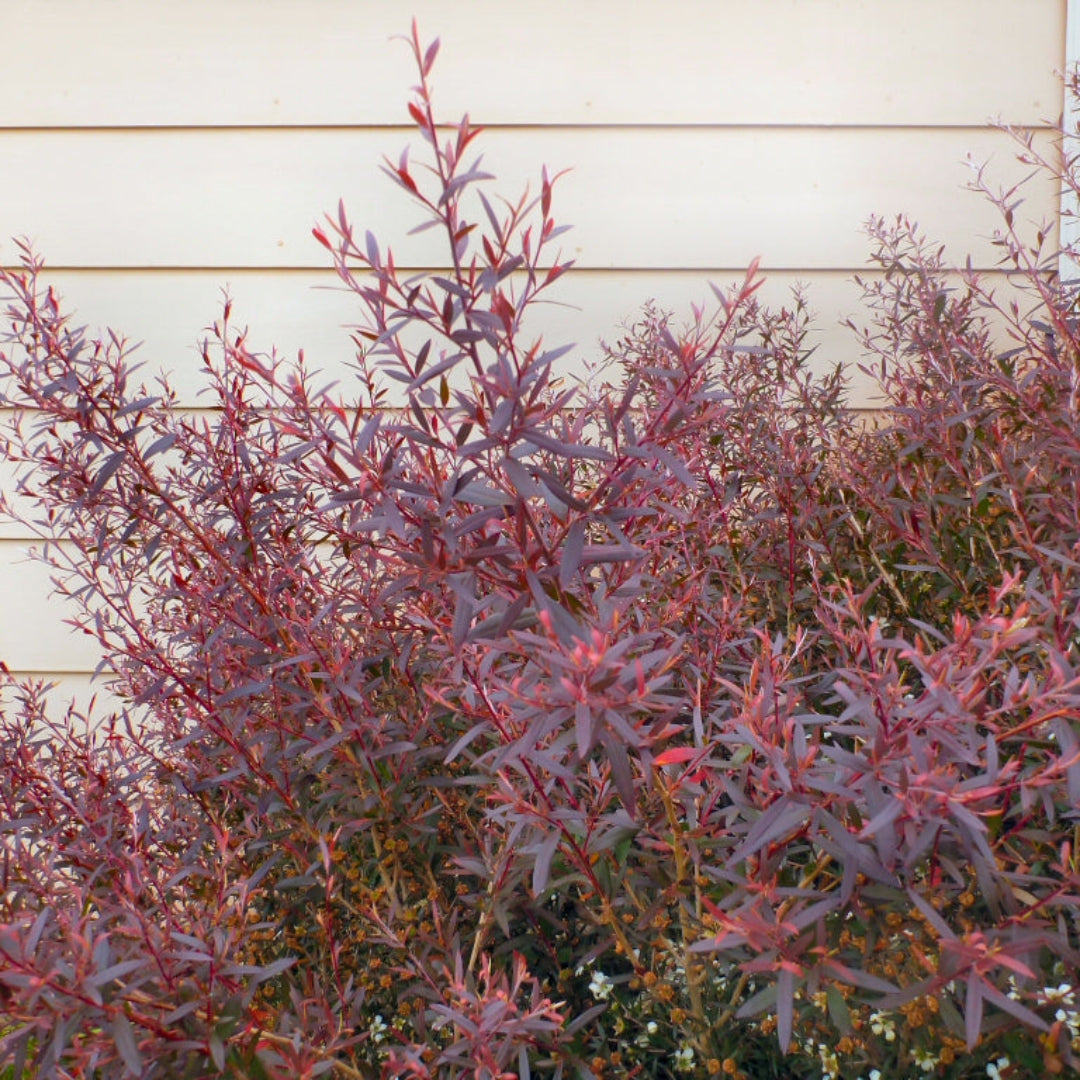
Red Leaf Tea Plant / Shrub
Red Leaf Tea Plant / Shrub- Regular price
-
From
$189.99 - Regular price
-
$271.41 - Sale price
-
From
$189.99
-


Winter's Star Camellia
Growing Zones 6 - 9Winter's Star Camellia- Regular price
-
From
$149.99 - Regular price
-
$285.70 - Sale price
-
From
$149.99
-


Camellia Autumn Rocket Plant-Stunning White Blooms
Growing Zones 7 - 9Camellia Autumn Rocket Plant-Stunning White Blooms- Regular price
-
From
$179.99 - Regular price
-
$357.13 - Sale price
-
From
$179.99
-


Buttons & Bows Camellia Japonica
Growing Zones 7 - 9Buttons & Bows Camellia Japonica- Regular price
-
From
$99.99 - Regular price
-
$185.70 - Sale price
-
From
$99.99



Frequently Asked Questions
Which USDA zones are best for these winter-blooming shrubs?
Camellias usually thrive in Zones 7–10, Daphne in Zones 6–9, and Edgeworthia in Zones 7–9. These shrubs prefer mild winters and moderate summers.
Do these shrubs need full sun or shade?
All three prefer partial shade - morning sun with afternoon shade. Too much direct afternoon sun may scorch leaves, while deep shade reduces flowering.
What type of soil is best for Camellia, Daphne, and Edgeworthia?
They grow best in well-drained, slightly acidic soil rich in organic matter. Poor drainage can cause root rot, especially for Daphne, which is highly sensitive to wet roots.
How often should I water these shrubs?
Water regularly during the first year to help roots establish. Once established, they prefer evenly moist soil, but not waterlogged. Daphne especially requires careful watering.
When is the best time to plant winter-blooming shrubs?
The best planting seasons are fall and early spring, when temperatures are cool and moisture levels help root development.
When do these shrubs bloom?
Camellias bloom from late fall to early spring, Daphne blooms in late winter, and Edgeworthia produces fragrant flowers from winter to early spring.
Do these shrubs need special winter protection?
In colder climates, protect them with mulch around the base to shield roots from freezing. Young plants may need frost cloth during extreme cold.
How to fertilize these shrubs?
Use an acid-loving plant fertilizer in early spring after blooming finishes. Avoid fertilizing late in the season, as it can damage new buds before winter.
Do these shrubs need pruning?
Pruning is minimal. Light trimming should be done immediately after flowering to maintain shape. Heavy pruning can reduce next year’s blooms.
Can Camellia, Daphne, and Edgeworthia be grown in containers?
Yes, they grow well in large containers with excellent drainage and acidic potting soil. Container plants may need more frequent watering.
How big do these shrubs grow?
Camellias reach 6–12 ft, Daphne stays compact at 3–5 ft, and Edgeworthia typically grows 4–6 ft tall and wide.
Are these shrubs evergreen or deciduous?
Camellia and Daphne are evergreen, while Edgeworthia is deciduous, losing its leaves in winter but blooming on bare branches.
Do they attract pollinators or wildlife?
Yes! Edgeworthia and Daphne produce highly fragrant flowers that attract bees. Camellias attract early-season pollinators when little else blooms.
Are these shrubs fragrant?
Daphne and Edgeworthia are both extremely fragrant, especially in winter. Some Camellia varieties have mild fragrance, but most are appreciated for their flowers.
What pests or diseases affect these plants?
Camellias may face scale insects and leaf spot. Daphne can suffer from root rot if overwatered. Edgeworthia is generally trouble-free with good drainage.
Why are my buds falling off before blooming?
Bud drop occurs due to inconsistent watering, sudden temperature swings, or poor drainage. Keeping soil evenly moist and avoiding stress helps prevent it.
How much cold can these shrubs tolerate?
Camellias and Daphne tolerate light frost. Edgeworthia can handle cold down to about 5–10°F but may need protection in extended freezes.
Are these shrubs low-maintenance?
Yes, as long as they have well-draining soil, partial shade, and consistent watering, they require minimal upkeep and reliably bloom each year.
What mulch should I use for winter-blooming shrubs?
Use pine bark, pine needles, or shredded leaves. Mulching keeps soil cool, holds moisture, and protects shallow roots from temperature fluctuations.